
Our Fire Restoration Process
Fire losses are really three losses: flame, smoke, and the water that put it out. Our process attacks all three in the right order, with documentation your insurer will recognize.
Secure and Assess
We board up openings, tarp the roof, and walk the structure with you. Safety and security come before any cleaning decision gets made.
Document Everything for the Claim
Fire claims are won with photographs, inventories, and scope detail. We capture the loss room by room before anything is moved or discarded.
Extract the Firefighting Water
Thousands of gallons may have gone through your roof and floors. We extract and start structural drying immediately, because a fire loss can become a mold loss within days.
Stabilize Soot and Smoke Residue
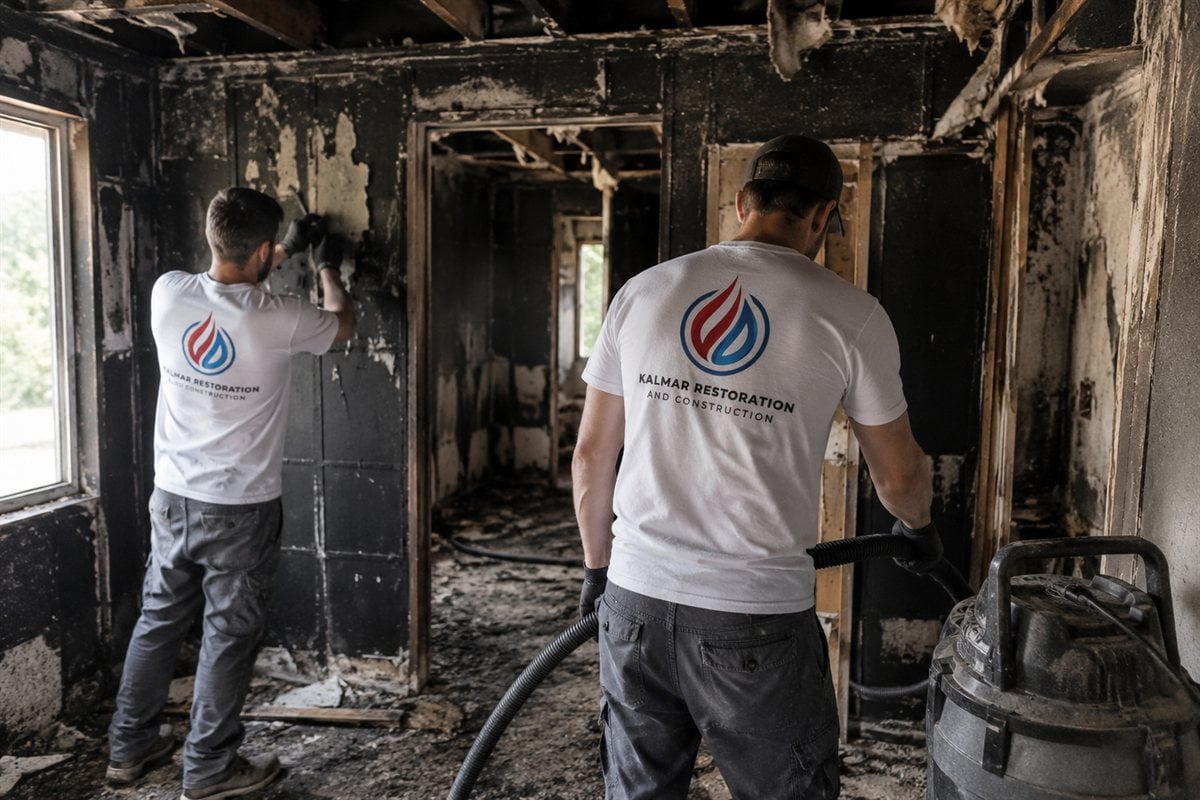
Acidic soot etches glass, pits metal, and stains grout more every day it sits. We treat the most vulnerable surfaces first to stop the spread of permanent damage.
Clean Contents, Honestly
Some belongings clean up beautifully and some never will. We triage, clean, and inventory item by item, and we tell you which pile each one is in.
Remove the Odor, Not Just the Smell of It
Smoke odor lives in materials, not air fresheners. We treat affected cavities and contents so the smell does not come back with the summer heat.
Rebuild With Our Own Crews
Charred framing, lost drywall, and the kitchen itself get rebuilt by our construction side. The project never stalls waiting for an outside contractor to call back.
What Our Fire Service Includes
Every fire is different, so the scope flexes around what yours actually needs. These are the pieces we deploy most.
Emergency Board-Up and Roof Tarping
An open structure invites weather, animals, and liability. We secure windows, doors, and roof breaches the same day.
Smoke and Soot Cleanup
Different surfaces demand different soot treatment, from dry sponges to abrasive cleaning. Using the wrong method sets the stain instead of lifting it.
Smoke Odor Removal
We treat odor at its source in cavities, framing, and contents. The goal is a house that smells like nothing at all.
Contents Cleaning and Inventory
Salvageable items get cleaned, documented, and stored while the structure is rebuilt. The inventory doubles as claim evidence for what was lost.
Water Damage From Firefighting
The water that saved your house still has to leave it. Extraction and metered drying run alongside the fire work, not after it.
Full Structural Rebuild
From single rooms to whole floors, our reconstruction crew rebuilds to current code. You sign one contract for the entire recovery, not five.
What Starts House Fires Here
Knowing the usual suspects helps you guard against the second fire, not just recover from the first. National data is blunt about where the risk lives.
Cooking Left Unattended
Per NFPA research covering 2019 to 2023, cooking was the leading cause of US home fires and home fire injuries. A skillet does not need long alone to change your year.
Heating Equipment in Cold Months
Space heaters near bedding and furniture do real damage along the Wasatch Front every winter. Clearance and working shutoffs decide most of these outcomes.
Electrical Faults in Older Wiring
Aging panels, overloaded circuits, and DIY wiring stress systems never built for modern loads. Older Salt Lake homes deserve a periodic look from an electrician.
Smoking Materials
NFPA's same research found smoking materials caused the largest share of home fire deaths. These fires start small, smolder, and strike at night.
Dryer Lint and Vents
Lint is kindling stored next to a heat source. Annual vent cleaning is the cheapest fire prevention you can buy.
Wildfire and Ember Exposure
Dry summers put foothill and canyon-edge homes in reach of blowing embers. Smoke damage claims happen here even when flames never arrive.
When to Call a Fire Restoration Company
Not every fire call follows a major blaze. These situations all justify professional help, and faster is cheaper in every one of them.
Any Structure Fire, However Small
A small kitchen fire still spreads soot and odor far beyond the kitchen. The visible burn is rarely the full footprint of the loss.
Lingering Smoke Smell After Cleaning
If the smell survives your cleaning weekend, it lives inside materials you have not reached. Professional treatment reaches the cavities and contents that hold it.
Soot Stains Spreading on Walls and Ceilings
Soot keeps migrating and etching while the house sits. Spreading stains mean the residue is active and untreated.
Smoke Exposure From a Nearby Fire
A neighbor's fire or a canyon wildfire can fill your home with smoke without a single flame inside. The cleanup is real even when the burn is not yours.
An Insurance Claim You Need to Get Right
Fire claims are the largest most homeowners ever file. Documentation from a certified restoration contractor gives the claim a backbone.
Why Salt Lake City Trusts Kalmar After a Fire
The companies you call after a fire will shape the next several months of your life. Here is our case, in plain terms.
One Team From Board-Up to Rebuild
Kalmar handles security, cleanup, and full reconstruction without subcontractor roulette. The crew that scoped your loss is accountable until the rebuild passes your walkthrough.
Certified Cleanup, Not Improvised
We are IICRC certified, and fire work runs on the same documentation discipline as our water and mold jobs. Method matters, because bad soot cleanup is permanent.
Built for Claim Scrutiny
Our inventories, photos, and scopes are assembled for adjuster review from day one. When questions come, your file answers them.
Straight Talk About What Can Be Saved
We will not promise to rescue a sofa that smells like a campfire forever. Honest triage early saves money and heartbreak later.
Fire Restoration Coverage
Kalmar responds to fire and smoke losses across Salt Lake City, Draper, Provo, Orem, Layton, Park City, Heber City, and Tooele. See the full map on areas we serve, or the Salt Lake City page for our home turf.
Fires do not cluster conveniently near our office, so the response plan does not assume they will. Crews and equipment stage to reach mountain and valley homes alike, in any season.
Fire Damage Questions, Answered
The hours after a fire are full of decisions you have never had to make before. These answers cover the ones that matter first.
Can I stay in my home after a fire?
That depends on structural safety, air quality, and utilities, not on how things look. Get a professional read before moving back in, especially with kids or breathing issues.
What should I do in the first 24 hours?
Call your insurer, secure the property, and do not start scrubbing soot. The wrong cleaning method sets stains permanently, and discarded items weaken your claim.
Can smoke smell really be removed?
Yes, when treatment reaches the source materials instead of masking the air. That is why we treat cavities and contents, not just rooms.
What does fire restoration cost?
Cost tracks the size of the affected area, soot spread, and water damage from suppression. Insurance typically drives fire scopes, and we build ours to match adjuster review.
Do you handle the water damage too?
Yes, extraction and drying are part of the same job, on the same scope. Separating them is how fire losses quietly become mold losses.
What can be saved after a fire?
More than most people expect, and less than anyone hopes. Hard goods often clean up well; porous items near the burn usually do not.
How long does fire restoration take?
Cleanup typically runs days to a few weeks, and rebuild depends on the structural scope. We give you a sequenced timeline after the assessment, then update it honestly.
After the Fire, Take the Next Step
You cannot un-burn the kitchen, but you can decide how the recovery goes. Kalmar Restoration & Construction answers around the clock across the Salt Lake Valley. Request fire damage help and get a clear plan for the structure, the smell, and the rebuild.